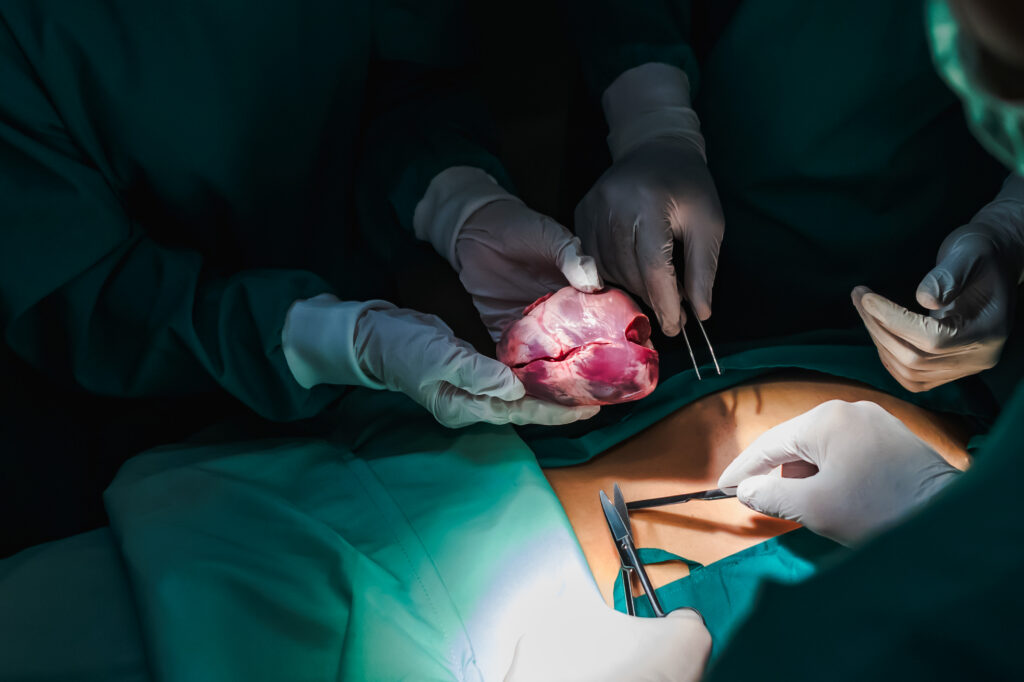
For some patients, transplantation is the only effective treatment for serious, life-threatening disease. Cells, tissues, or whole organs may be transplanted, depending on the condition. The Global Observatory on Donation and Transplantation reported nearly 184,000 organ transplants across 96 countries in 2025, a 3.5% increase over 2024.1 In the United States, more than 49,000 transplants were performed in 2025. Kidney, liver, heart, and lung transplants accounted for approximately 56%, 25%, 9%, and 7% of the total, respectively.2 More than 109,000 people in the United States were on the transplant waiting list in 2026, most waiting for a kidney, and 12 people die each day while waiting for an organ transplant.2
Transplant outcomes have improved, although patient and graft survival vary by organ, donor type, recipient characteristics, and the period measured.3 Kidney grafts from living donors generally last longer than those from deceased donors.
The Rising Concern of Antimicrobial Resistance
Bacterial antimicrobial resistance (AMR) is a major cause of illness and death worldwide. In 2021, an estimated 4.71 million deaths were associated with bacterial AMR, including 1.14 million deaths directly attributable to it.4 The World Health Organization (WHO) also estimates that one in six laboratory-confirmed bacterial infections worldwide in 2023 were resistant to antibiotic treatment.4 AMR can emerge and spread through inappropriate antimicrobial use, gaps in infection prevention, and limited access to diagnostics and effective treatment. The burden is greatest in settings with fewer resources to prevent, detect, and treat resistant infections.
Why AMR Matters for Organ Transplant Patients
AMR is a significant concern for organ transplant recipients in countries at all income levels.5–10 Transplantation often involves complex surgery, prolonged hospital stays, and use of indwelling medical devices, which can increase exposure to healthcare-associated infections, including infections caused by resistant bacteria. Some recipients experience recurrent infections. Immunosuppressive drugs used to prevent rejection also increase susceptibility to bacterial, fungal, and viral infections. Antimicrobial prophylaxis is an important part of transplant care, but unnecessary or prolonged use can contribute to resistance. Resistant organisms can also be transmitted through a donor organ or preservation fluid in some cases, despite screening and other precautions.
Significant Impacts of AMR for Organ Transplant Patients
Bacterial infections after transplantation can contribute to poor outcomes, and multidrug-resistant (MDR) infections can be especially difficult to treat.5–10 They are associated with higher risks of severe complications, including septic shock, graft dysfunction, and death. Patients who recover may require longer treatment and hospitalization, and some antimicrobials can cause serious adverse effects, including kidney or liver toxicity.11 One review reported that carbapenemase-producing Enterobacteriaceae infections occurred in up to 18% of solid organ transplant recipients in endemic settings and were associated with mortality rates as high as 70%; rates vary by setting and patient population.12
Poorer outcomes, longer hospital stays, and complex treatment regimens for transplant recipients with AMR infections can increase healthcare costs.10
Several Leading Resistant Pathogens
Bacterial infections in solid organ transplant recipients can involve Gram-negative or Gram-positive organisms. Common multidrug-resistant organisms include methicillin-resistant Staphylococcus aureus (MRSA), vancomycin-resistant enterococci, extended-spectrum β-lactamase–producing or extended-spectrum cephalosporin-resistant Enterobacterales, carbapenem-resistant or carbapenemase-producing Enterobacterales, MDR Pseudomonas aeruginosa, and carbapenem-resistant Acinetobacter baumannii.13,14
What Recent Studies Show
Recent reviews and observational studies describe the pathogens, settings, and outcomes associated with AMR in solid organ transplant recipients. MRSA remains a concern in liver and lung transplant recipients, with infections reported at surgical sites, in the bloodstream and abdomen, and in the lungs.6
A five-year retrospective study of liver and kidney transplant recipients found similar isolation rates for Gram-negative bacilli and Gram-positive bacteria, with Escherichia coli, Klebsiella pneumoniae, and Staphylococcus epidermidis among the predominant isolates.15 Resistance varied by organism and antimicrobial; the highest rates were reported for fluoroquinolones and penicillins, while the lowest were reported for tetracyclines and vancomycin.
A four-year retrospective study at the Abu-Ali Sina transplant center in Shiraz, Iran, covering 2020–2023, found that Escherichia coli, Klebsiella, and Pseudomonas were the most frequently isolated Gram-negative bacteria.9 The study reported increasing carbapenem resistance among Enterobacterales, particularly carbapenem-resistant Klebsiella pneumoniae. It also found that Acinetobacter isolates became more common over the study period; resistance patterns varied by organism and antimicrobial.
Biofilm formation has been identified as a possible contributor to outbreaks of vancomycin-resistant enterococci in solid organ transplant patients.14 One review found Klebsiella pneumoniae to be the most frequently reported carbapenem-resistant Enterobacterales pathogen in transplant recipients. A separate analysis reported mortality and graft-failure rates averaging approximately 40% and 20%, respectively, among transplant patients with these infections.7 The same review reported that extended-spectrum β-lactamase–producing Enterobacterales accounted for an aggregate 7% of bacterial infections across transplant recipients; infections occurred about 2.5 months after transplantation and were largely identified in outpatient settings. Pseudomonas aeruginosa is also a concern in lung transplant recipients with cystic fibrosis, both before and after transplantation.14
Reported rates of multidrug-resistant infection vary by geography and study population. One review reported carbapenem-resistant Acinetobacter baumannii infection rates of 1%–6% in high-income countries and rates as high as 29% in China and Brazil; in the cited studies, this pathogen was the most common resistant infection among lung transplant recipients in China.7
One study reported resistant-organism infections in about 15% of deceased donors and antibiotic use considered redundant in a similar proportion, highlighting the importance of donor screening and antimicrobial stewardship.14
Strategies to Reduce AMR Risk in Organ Transplantation
Reducing infection risk in solid organ transplant recipients requires prevention, timely diagnosis, appropriate treatment, and antimicrobial stewardship (AMS).5–7,10,11
Monitoring begins before transplantation with risk assessment and screening of donors and potential recipients. Rapid diagnostic tests, including multiplex polymerase chain reaction (PCR) panels, can identify selected pathogens and help clinicians choose targeted treatment. These panels do not necessarily provide antimicrobial susceptibility results, so test findings need to be interpreted alongside culture and susceptibility data when available. Stewardship programs can support appropriate selection, dosing, and duration of antimicrobials while tracking use and resistance patterns.
Transplant-focused AMS works best with input from transplant physicians and surgeons, infectious disease specialists, clinical microbiologists, pharmacists, nurses, and other relevant clinicians. Interventions should reflect the transplant population and individual risk factors, including age and coexisting conditions. Programs can track MDR infections and antimicrobial regimens to assess outcomes. Non-antibiotic approaches, including bacteriophage therapy, microbiome modulation, and immune-based treatments, remain emerging or investigational options for most transplant settings.10 Priorities also include rapid diagnostic capacity, infection prevention and control, limiting unnecessary use of indwelling devices, and education for healthcare providers, patients, caregivers, and families.9–11
A 2020 study reported that 91% of U.S. hospitals had antimicrobial stewardship programs incorporating the Centers for Disease Control and Prevention’s (CDC) core elements.14 Existing programs can be adapted to transplant care by involving expertise in transplant medicine and infectious diseases and engaging leaders of transplant units in AMR interventions.
A 2025 systematic review and meta-analysis included 34 studies of strategies to optimize antimicrobial use in adult solid organ transplant recipients.16 Across three studies, AMR programs may have reduced surgical-site infections. The review also found no increase in surgical-site infections when perioperative prophylaxis was not extended beyond 24 hours, and no increase in relapse with shorter treatment courses for uncomplicated graft-related infections. The included studies had moderate or high risk of bias, so the findings support careful, transplant-specific stewardship while underscoring the need for higher-quality trials.