AMR Therapeutic Landscape
Antibiotic Clinical Trial Landscape
Progress coupled with persistent structural gaps

Tracking the therapies advancing through antibiotic clinical development
This clinical trial landscape provides a snapshot of the current state of antibiotic development, including who is funding it, which pathogens and indications are attracting activity, which mechanisms are advancing, and where the most urgent gaps remain. It also underscores a central reality of the AMR crisis: a pipeline can be active and still be insufficient.
The future of antibiotic development will depend not only on more candidates entering clinical trials but also on whether those candidates address the pathogens, resistance mechanisms, dosage needs, delivery routes, and real-world access challenges that matter most to patients and healthcare systems.
Sponsors of Antibiotic Development
A mix of pharmaceutical companies, small biotechs, government agencies, and nonprofits such as GARDP and CARB-X fund antimicrobial development. No single sector carries the load, and the chronic challenge of underfunding cuts across the entire landscape.
Antibiotic Development Sponsors
Private
Non-Profit
Public
Current Antibiotic Clinical Trials
| Name | Developer | Compound Class | Chemistry Class | Mode of action | Administration | Indication | Phase |
|---|---|---|---|---|---|---|---|
| solithromycin (T-4288) | FUJIFILM Toyama | erythromycin | Natural | protein synthesis inhibition | IVpo | respiratory tract infection | NDA/MAA |
| ALS4 | Aptorum Therapeutics | undisclosed | Synthetic | 4,4_-diapophytoene desaturase (CrtN staphyloxanthin biosynthesis)Ð antivirulence | po | S. aureus (MRSA) | Phase I |
| BWC0977 | Bugworks Research | oxazolidinone containing NBTI | Synthetic | DNA gyrase and topoisomerase IV | IVpo | Gram-positive, but being developed for Gram- negative | Phase I |
| RG6319 | Genentech | “arylomycin” | Natural | type I signal peptidase (LepB) inhibitor (cell wall) | not disclosed | Gram-positive, cUTI | Phase I |
| PL-18 | Protelight Pharmaceuticals Australia PTY LTD | cationic peptide | Peptide | membrane disruption (cell wall) | topical (suppository) | Gram-negative and Gram-positive bacterial vaginosis | Phase I |
| GSK2556286 (GSK-286) | GSK | Òuracil aryloxypiperidineÓ | Synthetic | complex pathway related to cholesterol catabolism (adenylyl cyclase Rv1625c) | po | TB | Phase I |
| GSK3882347 | GSK & Fimbrion Therapeutics | mannose-derived | Synthetic | Type 1 fimbrin D-mannose specific adhesin (FimH) antagonistÐ antivirulence | po | Gram- negative UTI | Phase I |
| macozinone (PBTZ 169) | Innovative Medicines for Tuberculosis Foundation / Nearmedic Plus | benzothiazinone | Synthetic | DprE1 (cell wall) | po | TB | Phase I |
| apramycin (EBL-1003) | Juvabis | aminoglycoside | Natural | protein synthesis inhibition | IV | Gram negative | Phase I |
| zifanocycline, (KBP-7072) | KBP Biosciences | KBP Biosciencestetracycline | Natural | protein synthesis inhibition | IVpo | Gram-negative and Gram-positive | Phase I |
| MRX-8 | MicuRx Pharmaceuticals | polymyxin | Natural | membrane disruption (cell wall) | IV | Gram- negative | Phase I |
| PLG0206 (WLBU2) | PJI Peptilogics / IV administration in Phase I trial | cationic peptide | Peptide | membrane disruption (cell wall) | topical | Gram-negative and Gram-positive | Phase I |
| QPX-9003 | Qpex Biopharma | polymyxin | Natural | membrane disruption (cell wall) | IV | Gram negative | Phase I |
| RG6006 (RO7223280) | Roche | macrocyclic peptide | Synthetic | unknown | IV | A. baumannii infections | Phase I |
| murepavadin (POL7080) | Spexis | protegrin I | Peptide | _-barrel protein LptD (Imp/OstA) inhibition (cell wall | inhalation | pseudomonal infections | Phase I |
| TXA709 (prodrug) TXA707 | TAXIS Pharmaceuticals | FtsZ benzamide | Synthetic | FtsZ inhibition (cell wall) | po | Gram positive | Phase I |
| TBAJ-876 | TB Alliance | diarylquinoline | Synthetic | mycobacterial ATP synthase inhibition | po | TB | Phase I |
| TBAJ-587 | TB Alliance | diarylquinoline | Synthetic | mycobacterial ATP synthase inhibition | po | TB | Phase I |
| TBI-223 | TB Alliance / Institute of Materia Medica | oxazolidinone | Synthetic | protein synthesis inhibition | po | TB | Phase I |
| ibezapolstat (ACX-362E) | Acurx Pharmaceuticals | dichlorobenzyl guanine (DCBG) | Synthetic | DNA polymerase IIIC | po | C. difficile infection | Phase II |
| alpibectir (formerly BVL-GSK098) + ethionamide | BioVersys / GSK | spiroisoxazoline | Synthetic | inactivation of TetR-like repressor (EthR2)ÐÔresistance breaker | po | TB | Phase II |
| BV100 | BioVersys | A. baumannii infections | Phase II | ||||
| cannabidiol (BTX 1801) | Botanix Pharmaceuticals | cannabidiol | Natural | membrane disruption (cell wall) | topical | S. aureus infections | Phase II |
| CRS3123 (REP3123) | Crestone | ÒdiaryldiamineÓ | Synthetic | methionyl-tRNA synthetase (protein synthesis) | po | CDI | Phase II |
| afabicin (prodrug Debio-1450); afabicin desphosphono (Debio 1452, AFN-1252) | Debiopharm | benzofuran naphthyridine | Synthetic | FabI inhibition (cell wall, fatty acid biosynthesis) | IVpo | ABSSSI | Phase II |
| DNV-3837 (prodrug MCB-3837); DNV-3681 | Deinove | oxazolidinone-quinolone hybrid | Synthetic (both compounds) | protein synthesis inhibition, DNA gyrase (GyrA) and topo IV (ParC) | IV | CDI | Phase II |
| exeporfinium chloride (XF-73) | Destiny Pharma | porphyrin | Natural | membrane-perturbing activity | topical | post-surgical nasal decolonization | Phase II |
| BTZ-043 | European and Developing Countries Clinical Trials Partnership | benzothiazinone | Synthetic | DprE1 (cell wall) | po | TB | Phase II |
| sutezolid (PF-2341272, PNU-100480) | European and Developing Countries Clinical Trials Partnership / TB Alliance / Sequella | oxazolidinone | Synthetic | protein synthesis inhibition | po | TB | Phase II |
| fluorothiazinon + cefepime | Gamaleya Research Institute of Epidemiology and MIcrobiology | thyazinone + cephalosporin | Semi-synthetic | bacterial type III secretion system | po | Gram-negative virulence | Phase II |
| sanfetrinem cilexetil (prodrug GV-104326) sanfetrinem (15) trinem | GSK | _-lactam | Natural | PBP (cell wall) | po | TB | Phase II |
| GSK3036656 | GSK | oxaborole | Synthetic | leucyl-tRNA synthetase (protein synthesis) | po | TB | Phase II |
| pyrifazimine (TBI-166) | Institute of Materia Medica / Chinese Academy of Medical Sciences / Peking Union Medical College | riminophenazine (clofazimine0 | Synthetic | DNA binding leading to cell cycle disruption | po | TB | Phase II |
| peceleganan (PL-5, V681) | Jiangsu ProteLight Pharmaceutical and Biotechnology | cationic peptide | Peptide | membrane disruption (cell wall) | topical | wound infections | Phase II |
| delpazolid (RMX2001, LCB01-0371) | LegoChem Biosciences | oxazolidinone | Synthetic | protein synthesis inhibition | po | TB and MRSA bacteremia | Phase II |
| dovramilast (CC-11050, AMR-634) | Medicines Development for Global Health | “3-oxo-1H-isoindol-4-yl” | Synthetic | phosphodiesterase 4 (PDE4) inhibitor (host immune response) | po | Leprosy and TB | Phase II |
| MGB-BP-3 | MGB Biopharma | distamycin A | Natural | DNA minor groove binding | po | CDI | Phase II |
| pravibismane (MBN-101) | Microbion Corporation | bismuth thiol | Synthetic | disruption of cellular bioenergetics via membrane potential | topical | diabetic foot infections and orthopedic-implant infection | Phase II |
| quabodepistat (OPC-167832) | Otsuka Pharmaceutical | 3,4-dihydrocarbostyril | Synthetic | DprE1 (cell wall) | po | TB | Phase II |
| telacebec (Q203) | Qurient Co | imidazo[1,2-a]pyridine amide | Synthetic | respiratory cytochrome bc1 complex | po | TB | Phase II |
| Recce-327c (R327) | Recce Pharmaceuticals; | acrolein polymer | Synthetic | disruption of cellular bioenergetics via membrane potential and/or ATP synthesis | intended for topical use,IV administration in Phase-I trial | burn wound infections | Phase II |
| sudapyridine (WX-081) | Shanghai Jiatan Biotech | diarylquinoline | Synthetic | mycobacterial ATP synthase inhibition | po | TB | Phase II |
| TBA-7371 | TB Alliance / Foundation for Neglected Disease Research / Bill & Melinda Gates Medical Research Institute | azaindole | Synthetic | DprE1 (cell wall) | po | TB | Phase II |
| TNP-2092 (CBR 2092) | TenNor Therapeutics | rifamycin -quinolizinone (ABT719) hybrid | Semi-synthetic | RNA polymerase DNA gyrase (GyrA) and Topo IV (ParC) | IVpo | ABSSSI, PJI, encephalopathy | Phase II |
| TNP-2198 | TenNor Therapeutics | rifamycin-nitroimidazole hybridb | Semi-synthetic | RNA polymerase | po | CDI | Phase II |
| benapenem | Sihuan Pharmaceuticals | carbapenem | Natural | PBP (cell wall) | IV | UTI | Phase II/III |
| epetraborole (BRII-658) | AN2 Therapeutics/Brii Biosciences | oxaborole | Synthetic | leucel-tRNA synthetase (LeuRS) – protein synthetic | po | NTM with a focus on M. avium | Phase II/III |
| sulopenem/IV sulopenem | Iterum Therapeutics | penem | Natural | PBP (cell wall) | po | uUTI, cUTI, and cIAI | Phase III |
| etzadroxil/(prodrug) + probenecid | Iterum Therapeutics | penem | Natural | PBP (cell wall) | po | uUTI, cUTI, and cIAI | Phase III |
| nafithromycin (WCK 4873) | Wockhardt | macrolide | Natural | protein synthesis inhibition | po | CABP | Phase III |
| gepotidacin (GSK-2140944) | GSK | triazaacenapthylene | Synthetic | DNA gyrase (GyrA) – different to quinolones | po | UTI and gonorrhea | Phase III |
| zoliflodacin (ETX0914) | Innoviva/GARDP | spiropyrimidinetrione | Synthetic | DNA gyrase (GyrA) | po | gonorrhea | Phase III |
Antibiotic Clinical Pipeline Observations
The current antibiotic pipeline reflects both genuine progress and persistent structural gaps. The antimicrobial field is advancing, but not fast enough, and not always in the directions most needed.
A Quarter of the Pipeline Target Tuberculosis
Roughly a quarter of all entries, at least 15 of the ~60 compounds listed, target tuberculosis (TB). The WHO’s 2023 pipeline analysis found that the number of anti-tuberculosis drug candidates had more than doubled since the 2017 analysis, rising to 19.
While now on a slight downturn, global TB case counts rose for three consecutive years after 2020, driven primarily by COVID-19 disruptions to diagnosis and treatment. However, the overall picture is more sobering. The global TB incidence rate has decreased by only about 8% since 2015, far short of the WHO End TB Strategy milestone of a 50% reduction by 2025.
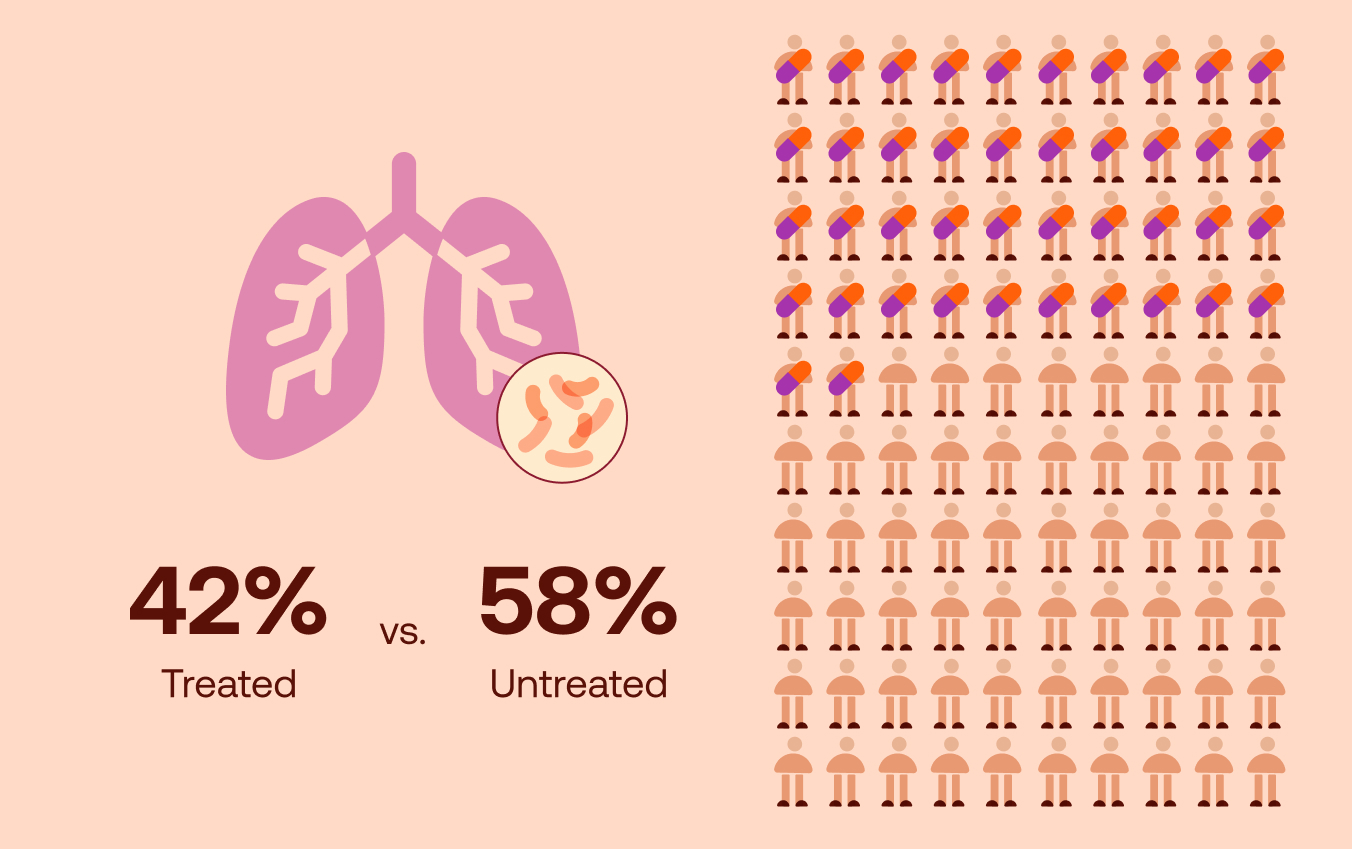
Additionally, drug resistance remains a serious problem among TB cases. An estimated 390,000 people developed multidrug-resistant or rifampicin-resistant TB in 2024, and only 42% of them accessed treatment.
Short List of Phase III Antibiotics
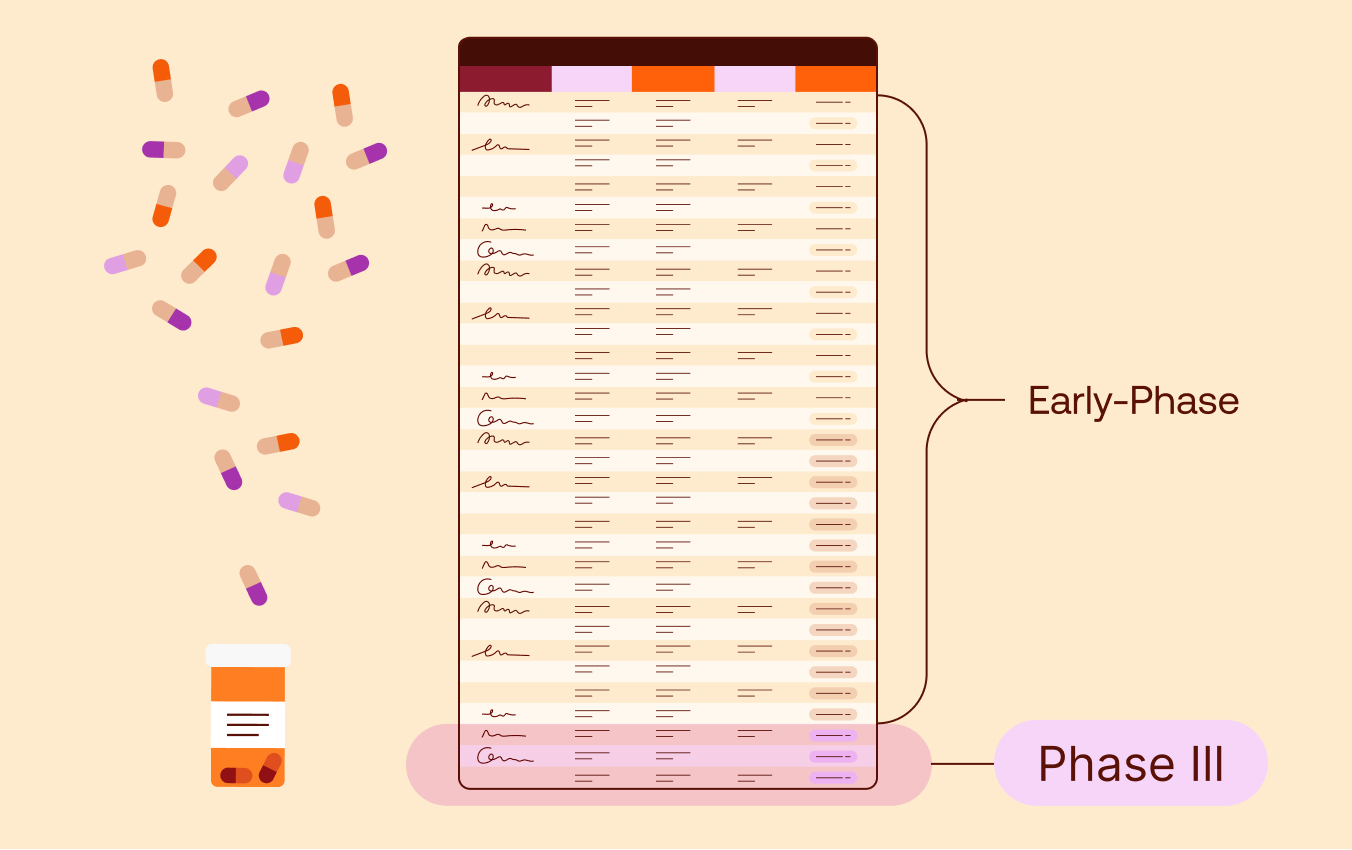
Only six compounds are in Phase III trials: gepotidacin, zoliflodacin, nafithromycin, sulopenem, etzadroxil, and solithromycin. There are a significant number of early-phase candidates, but the small number in late-stage development reflects the Broken ARM market.
Incremental Evolution Dominates the Pipeline
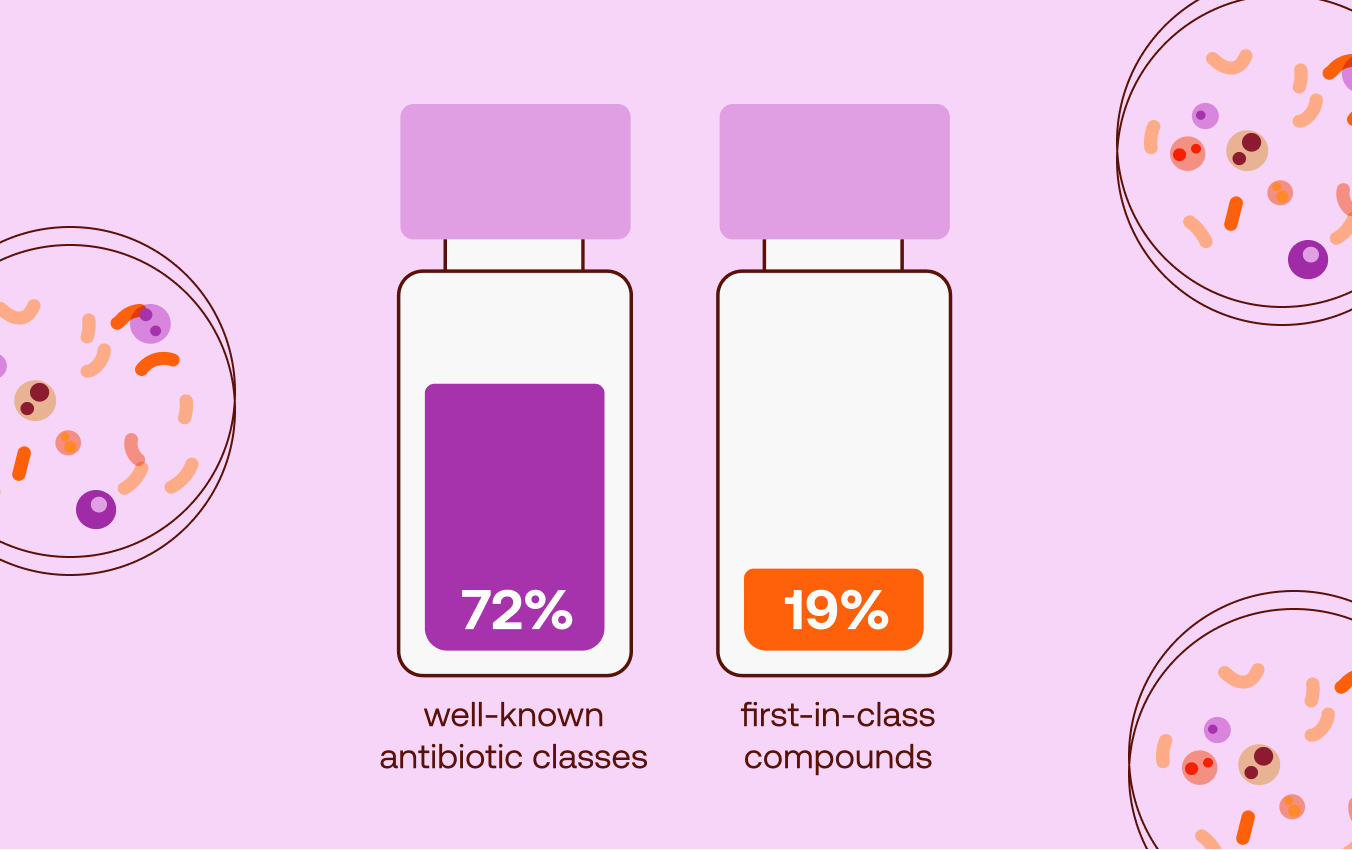
The WHO’s 2023 analysis found that 72% of pipeline agents belong to well-known antibiotic classes, including three new topoisomerase inhibitors with mechanisms that differ in part from those of older agents in the same class. Only six candidates (19%) are first-in-class compounds with distinct mechanisms of action.

Gram-Negative Development is Growing, but Lacks True Innovation
The main change in the pipeline between 2017 and 2023 was a substantial shift toward agents active against gram-negative bacteria. Broad-spectrum antibiotics targeting two or more gram-negative pathogens increased from 6% to 44%. This table includes several polymyxin derivatives (MRX-8, QPX-9003), reflecting that developers are still attempting to rehabilitate one of the oldest, most nephrotoxic antibiotic classes because better options for carbapenem-resistant gram-negatives are in short supply. New polymyxin derivatives reportedly have improved safety profiles, but none appear to overcome colistin resistance, which is an ongoing limitation.
Oral Dosage Forms are Declining as a Pipeline Priority
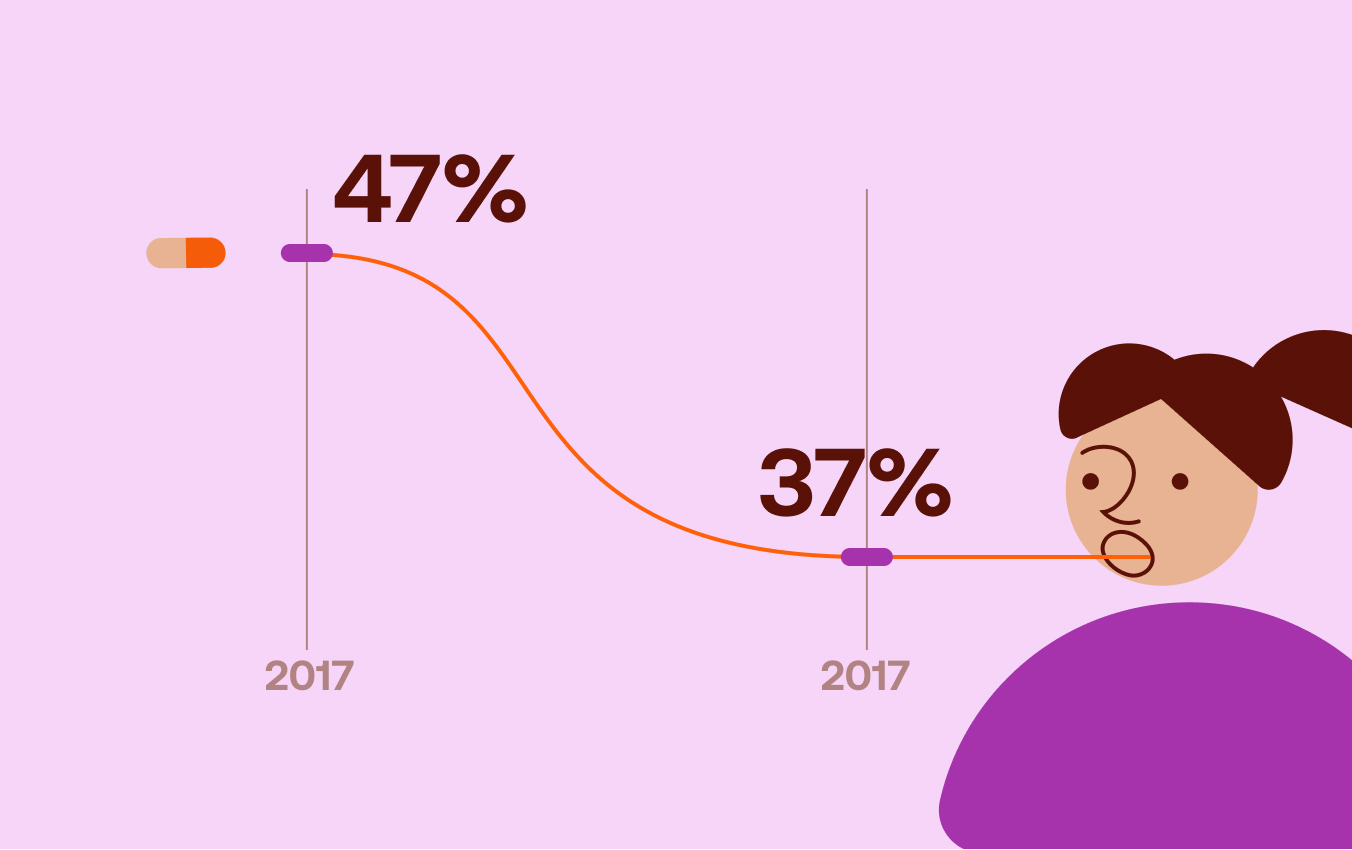
The proportion of oral antibiotics in the clinical pipeline decreased from 47% in 2017 to 37% in 2023. Most gram-negative candidates are administered intravenously, which limits their utility for outpatient step-down therapy and creates stewardship complications in under-resourced settings.
Topical and Non-Systemic Agents are Growing in Importance
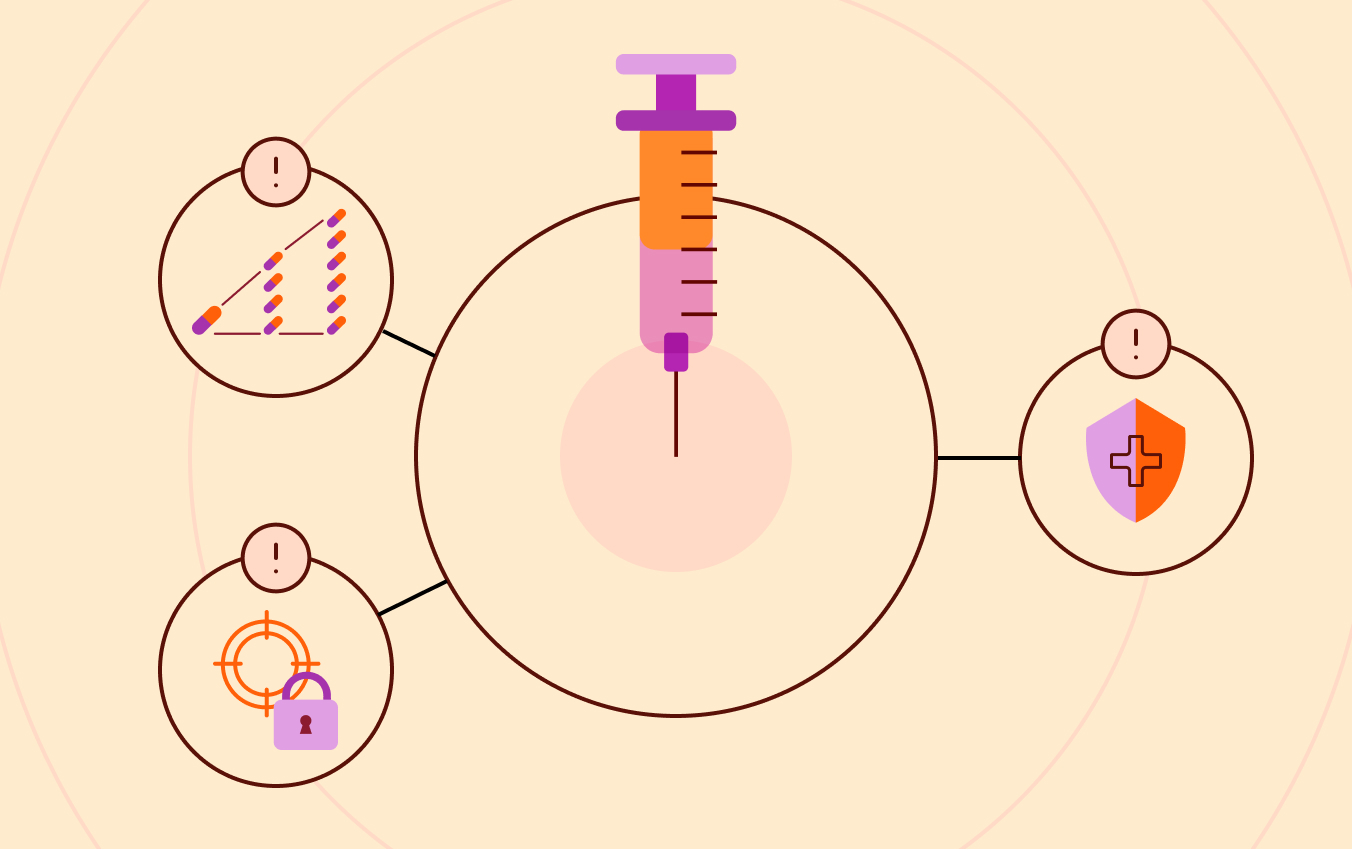
A notable subset of this pipeline is explicitly non-systemic: cannabidiol (topical, S. aureus), PLG0206 (topical), peceleganan (topical, wound infections), exeporfinium chloride (nasal decolonization), pravibismane (topical, diabetic foot/orthopedic implant), and murepavadin (inhalation). Topical strategies reflect a pragmatic strategy — bypassing the pharmacokinetic challenges of systemic delivery by targeting the site of infection directly. Nanoparticle-enabled and localized delivery is a promising strategy to enhance drug penetration into biofilms and intracellular niches, though key translational barriers remain, including scalability, target-site retention, and safety.

Stay Updated
Stay connected so that you don’t miss the latest AMR insights and updates.


