In 2005, Chris Linaman was admitted to the hospital for surgery on a torn anterior cruciate ligament (ACL) in his left knee that he’d damaged playing basketball. Four harrowing months, four emergency surgeries, and $300,000 in medical costs later, he finally cleared the Methicillin-resistant Staphylococcus aureus (MRSA) infection he’d developed following the initial “routine” surgery.1
Antibiotics are some of the most powerful drugs ever developed, and have become the backbone of modern medicine; routine or major trauma surgery, cancer treatment, neonatal intensive care, and organ transplants all depend on antibiotics to prevent or treat infections that can occur when the body’s normal barriers or immune defenses are compromised. Without effective antibiotics, the risk of infection would make many of these interventions too dangerous to attempt. Yet they have become victims of their own success.
Drivers of Antimicrobial Resistance
Antimicrobial resistance (AMR) is the result of a naturally occurring evolutionary arms race, in which bacteria evolve to survive the drugs designed to kill them. Their ongoing changes render infections more difficult to treat, diseases easier to spread, and increase the risk of severe illness, disability, and death. Antimicrobial resistance is thought to have caused 1.27 million deaths in 2019 and contributed to 4.95 million.2 As the case study above illustrates, this is not only a problem in emerging economies but affects patients, hospitals, and health systems worldwide, regardless of geography or economic status. The economic impact of antimicrobial resistance is staggering; the World Bank estimates gross domestic product (GDP) losses of between 1 and 3.4 trillion US dollars by 2030 as a result of AMR, and over $1 trillion in additional healthcare costs by 2050.3
While bacterial evolution that enables survival of antibiotic treatment is a natural phenomenon, human intervention has significantly accelerated its pace. Poor sanitation, global travel, and underfunded surveillance schemes all contribute to the rising incidence of AMR. Still, it is the overprescription of antibiotics and the widespread agricultural use—or misuse—of antibiotics that have been the real drivers of this crisis.4
The Drug Development Paradox
At first glance, the market for antibiotics should be thriving due to AMR, given the enormous global patient population and demonstrable unmet need. And yet the opposite is true. There is next to no incentive for the private sector to invest in antibiotic development.
As recognition of the dangers of AMR has increased, so has responsible stewardship of antibiotics, creating a unique paradox within the pharmaceutical industry; the more successful a new antibiotic is, the less it will be prescribed.
Proper stewardship requires that antibiotics be used sparingly and for as short a period of time as possible. In fact, hospitals will actively hold back new antibiotics to be used as a “last line of defence” against a new resistant bacterial strain, significantly impacting sales of these medications.
Therefore, unlike almost any other class of drug, getting an antimicrobial product approved by the FDA is by no means a guarantee of commercial success. Achaogen, for example, filed for bankruptcy in 2019, less than a year after the FDA approved its first commercial antibiotic, Zemdri (plazomicin).5 This lack of commercial success is not an unusual circumstance, nor is it an “exception to a rule”. It is one of many similar stories and a stark explanation for why the number of potential antimicrobial treatments being developed by the world’s largest pharmaceutical companies has dropped by 35% in the last five years.6

Antibiotics as Global Infrastructure: A Top-Down Approach
When there is little incentive for the private sector to address AMR, governments must step in. The Global Fund to Fight AIDS, Tuberculosis, and Malaria, the Coalition for Epidemic Preparedness Innovations, and the US National Cancer Institute Moonshot Initiative set a precedent for governments intervening when the stakes are high and demonstrate that such interventions can reshape biomedical innovation.
In fact, the Organisation for Economic Co-operation and Development (OECD), an intergovernmental forum of 38, mostly developed, member countries that promotes policies to improve economic and social well-being worldwide, has already resolved that investing in effective, cost-effective policies will be key to tackling AMR.7 Given that the root causes of AMR are misuse of antibiotics in both humans and animals, the OECD further concludes that fighting AMR will require a One Health approach: coordinated policy action across human, animal, and plant health, agri-food systems, and the environment.
Initiatives such as this transition antibiotics from “private assets” to public goods. How to fund and maintain equitable access to these lifesaving drugs then becomes a societal challenge.
Several policy initiatives have been proposed to address this, including both “push” and “pull” funding techniques to re-incentivise drug development and commercialisation, regulatory reform to ease the path of new antibiotics to market, and global surveillance schemes to monitor the incidence of AMR, track the evolution of new resistant strains, and coordinate a global response.
“Push” funding initiatives
Push funding is a mechanism to revitalize the antimicrobial drug pipeline by supporting the discovery and development of new therapeutics. Notable funding schemes include:
- CARB-X: One of the largest antibiotic R&D accelerators, funded by both the US and UK Governments as well as charitable foundations. CARB-X funds research into novel antibiotics, vaccines, and diagnostics for AMR and has, to date, invested over $506 million in 121 research projects, of which 23 have entered clinical trials, and three are on the market. Notably, while CARB-X funding is non-dilutive, it requires innovators to have already secured some private funding for their projects.8
- GARDP: The Global Antibiotic Research and Development Partnership is a nonprofit organization that funds the development of antibiotics for neglected infections through a public-private partnership model and prioritizes public health impact, affordability, and high-burden countries.9
- The AMR Action Fund: A private-public venture capital fund launched in 2020 by major pharmaceutical companies and global health organizations to support antimicrobial resistance. The AMR Action Fund’s goal is to bring two to four new antibiotics to market by 2030.10
However, while these programs help build a healthy pipeline of antimicrobial assets, they are not sufficient to ensure the commercial success and, therefore, the longevity of these products once they’re approved. This is where “pull” funding comes in.
“Pull” funding initiatives
Pull funding schemes, such as subscription models, aim to reincentivize the commercialization of new antibiotics by decoupling revenue from sales volume and basing payment on the drug’s value to public health. In this type of model, governments pay companies a fixed annual fee for access to an antibiotic, allowing companies to maintain a predictable revenue stream. In contrast, the antibiotics themselves can still be carefully stewarded and held in reserve for resistant infections.
The UK’s National Health Service piloted the first such subscription model in 2022, signing multi-million-pound contracts per year for the antibiotics ceftazidime-avibactum and cefiderocol, regardless of how much of each drug is used. Following this pilot scheme, the antibiotic subscription model was established as a formal commissioning route for new antimicrobial drugs in the UK, with the first round of procurement occurring in August 2024.11,12
Regulatory reform
Regulatory reform is another key pillar of a top-down solution to antimicrobial resistance, since small patient populations for emerging infections and ethical implications around placebo treatments make traditional clinical trials difficult and expensive for novel antimicrobials.
The US LPAD Pathway was introduced in 2016 and is designed to accelerate approvals for drugs intended to treat serious or life-threatening infections in limited patient populations with unmet needs. These drugs may be approved based on smaller, shorter, or fewer clinical trials, reducing the cost, complexity, and timeline of bringing a new antibiotic to market.13
International surveillance
The final pillar of a top-down solution discussed in this article is international surveillance that tracks the emergence of resistant pathogens and antibiotic use in a standardized way, enabling national data to be aggregated into global datasets. This is exactly what the World Health Organization’s Global Antimicrobial Resistance and Use Surveillance System (GLASS) initiative was established to achieve. The trends that initiatives such as this help to detect can then inform future research. For example, in their 2025 report, GLASS found that resistance to antibiotics currently used to treat the most severe infections is increasing among some Gram-negative pathogens14, which in turn is increasing reliance on last-resort treatments. The identification of such trends is an essential first step to countering them.
Collectively, these initiatives demonstrate how seriously global authorities are taking the threat of AMR, and offer significant hope for the fight against it. However, to make a sustained impact over the long term, push-and-pull funding, regulatory reform, and international surveillance must be implemented globally and in tandem to ensure that the world maintains access to a steady supply of effective antibiotics.

The Bottom-Up Countermeasures: Reducing the Need for Antibiotics
The adage “a prevention is better than a cure” is never truer than in the case of antimicrobial infections, where reducing bacterial infections is the ultimate route to reduced antibiotic use and, therefore, bacterial resistance.
Endeavors to prevent bacterial infections fall into three major categories: improved sanitation, prevention of hospital-acquired infections, and reduced antibiotic use in agriculture and food production. And while, in every case, the ultimate success of the initiative requires grassroots adoption (better handwashing, routine cleaning, and improved animal husbandry on farms around the world, for example), the mandate, implementation, and maintenance of schemes to enforce these practices still require top-down infrastructure and policy shifts.
Sanitation and clean water
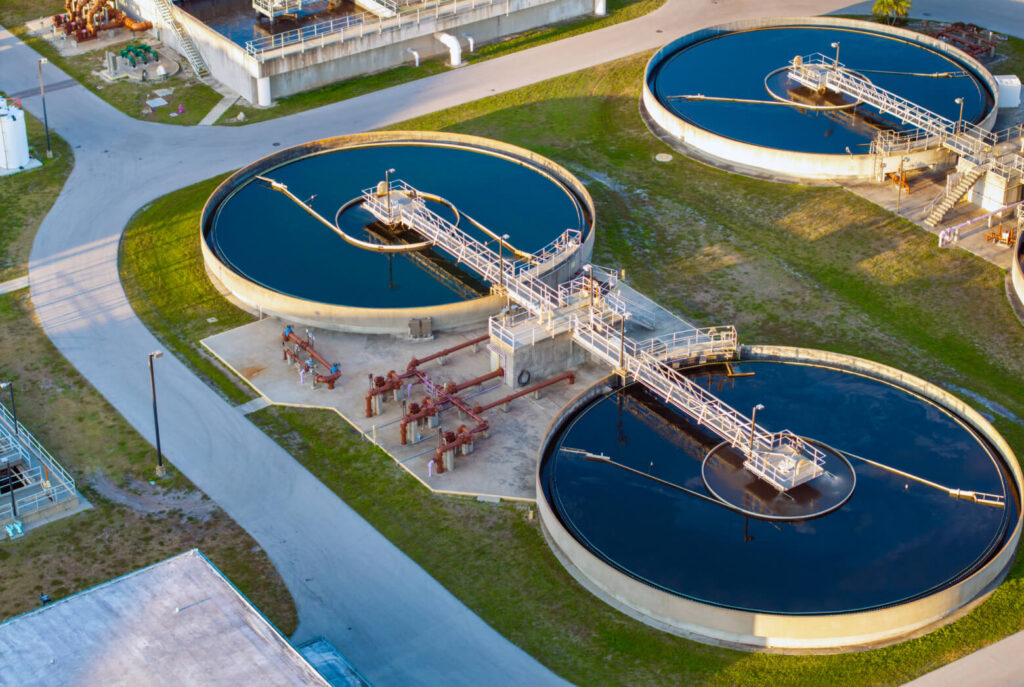
The World Health Organization identifies water, sanitation, and hygiene (WASH) as a central bottom-up approach to reducing AMR. Poor sanitation leads to diarrheal diseases, typhoid, cholera, and other intestinal infections, which in turn result in high levels of antibiotic use. Resistant bacteria enter the environment through untreated sewage, hospital wastewater, and agricultural run-off, facilitating the spread of resistance genes between bacteria and, without safe water systems, returning to humans and propagating antibiotic-resistant infections among communities.
Resistant bacteria don’t just spread in hospitals; they travel through contaminated water. Clean drinking water and proper sewage treatment are among the most effective tools in the AMR prevention toolkit. At the same time, grassroots initiatives like handwashing campaigns can be highly successful in reducing disease transmission. Indeed, the Centers for Disease Control and Prevention (CDC) notes that handwashing education can reduce the number of people suffering from diarrheal infections by 23-40%.15
Preventing hospital infections
The very nature of hospitals, with high levels of antibiotic use, and the number of vulnerable patients and invasive procedures being undertaken, makes these extremely high-risk environments for the emergence and spread of AMR. In the US alone, at least one patient in every 31 has a healthcare-associated infection on any given day.16
Again, hand hygiene and strict cleaning protocols, not just for surgical instruments, but for any high-touch surfaces and patient rooms or waiting areas, are key to preventing infection. More complex initiatives include screening high-risk patients (such as those hospitalized at home after initial treatment abroad), rapid diagnosis of resistant bacterial infections, strict isolation of affected patients, and ongoing stewardship of antibiotic prescribing.
Reducing antibiotic use in agriculture and food production
When livestock are farmed intensively, often in crowded and unsanitary conditions, antibiotics are often given as a preventive measure to prevent infections from developing due to poor husbandry practices. Farm animals consume about 30% of all antibiotics in the UK and 65% worldwide. In the UK, intensively reared pigs and poultry account for 79% of antibiotic use.17 This is a major driver of AMR, and resistant bacteria can then spread from animals to humans through contaminated meat, from farm workers, or via environmental run-off into water systems.
Reducing the level of antibiotic use in farming requires both top-down policy changes, such as the 2006 EU ban on antibiotic growth promoters in livestock18, and the provision of guidelines to support veterinary stewardship, and grassroots implementation of better farming conditions, including reducing the density of animals in any given space, improving hygiene, and implementing vaccination programs for farm animals.
The most effective tools against antimicrobial resistance are, on the surface, very straightforward: clean water, safer hospitals, and food systems that rely less on routine antibiotic use. These sound like simple solutions, but implementation and global adoption are anything but.
The problem is Clear. The Tools to Reduce AMR Exist. What Now?
While it has been widely described as a slow pandemic, AMR is perhaps more accurately equated to climate change than to an emerging pathogen. The problem is known, and the scale is enormous. However, solutions have been defined, and the tools to address them largely exist. The challenge now is the will to act and implement. How to align economic incentives with public health infrastructure and global cooperation? The danger of AMR is not that we lack the science to confront it. It’s that we have yet to implement the systems required to wield that science effectively.



