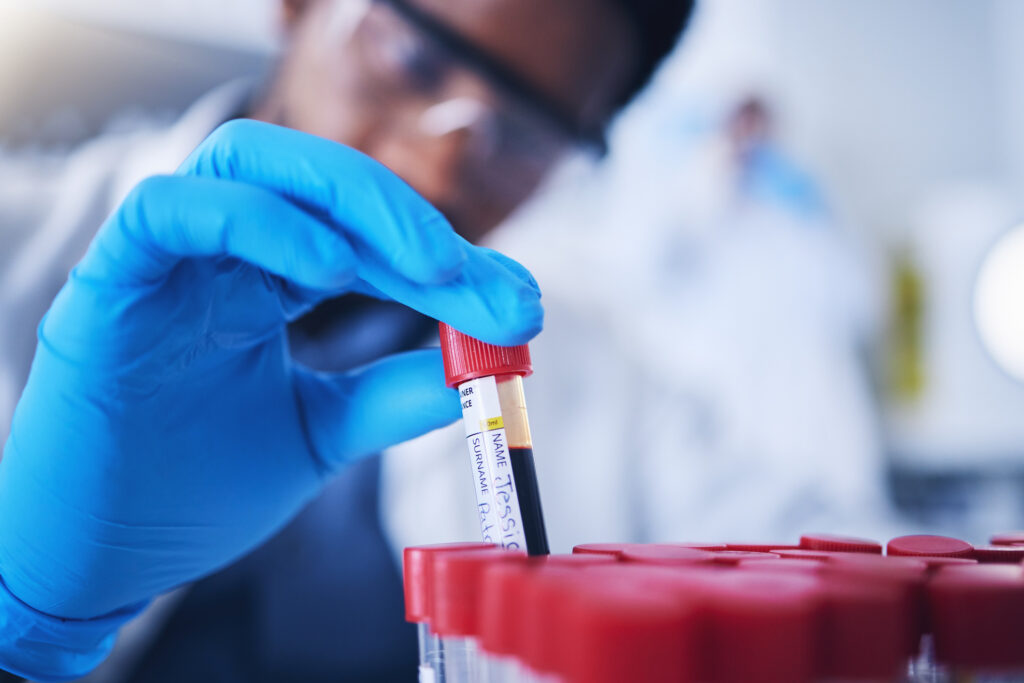
In Malawi, the time it took to identify a pathogen and test its susceptibility to antimicrobials fell from 14 days to four during a national survey of antimicrobial resistance (AMR). A courier network linked 34 health facilities to five reference laboratories, tracked specimens in transit, and returned results digitally. Investments in equipment, supplies, and backup power strengthened the receiving laboratories. The World Health Organization (WHO) attributes the shorter turnaround to the combined laboratory and referral improvements.1
On 16 November 2026, the WHO released two resources that address different parts of that work. The Essential Package of Diagnostic Tests for Bacterial and Fungal Infections and Antimicrobial Resistance maps priority tests to levels of care, from primary care to tertiary hospitals.2 The companion Toolkit of Standard Operating Procedures for Bacteriology, Mycology and Antimicrobial Susceptibility Testing gives laboratories procedures and bench reference guides for delivering reliable testing.3 The package helps health systems decide which tests patients should be able to access. The toolkit addresses what laboratories and their partners need to do consistently for those services to work.
In the WHO’s 2026 country self-assessment survey, 36% of countries reported having a national reference laboratory equipped to test the selected bacteria and fungi.4 That figure describes capacity at reference laboratories, but the Malawi experience shows how much work lies between equipping a laboratory and making its capabilities available to the facilities that need them.
How the WHO’s Diagnostics Guidance Evolved
The WHO published its first Model List of Essential In Vitro Diagnostics in May 2018.5 It gave countries a reference for developing or updating national lists and making decisions about procurement, regulation, and access. In 2023, the World Health Assembly adopted a resolution on strengthening diagnostics capacity. The WHO’s AMR Diagnostic Initiative built on that resolution. Its 2024 policy brief set out work on standards and implementation guidance for bacteriology and mycology, alongside efforts to assess laboratory capacity, develop a global AMR laboratory network, and improve diagnostic tools.6
The November 2026 package builds on the model list by bringing rapid tests, microscopy, culture-based tests, serology, and molecular tests for bacterial and fungal infections and AMR into one catalogue.2 It specifies test purpose, specimen type, and method at the relevant level of care.
Where a patient accesses a test can differ from where a laboratory performs it. During development of the package, the WHO described access through either on-site testing or specimen referral.7 A district hospital can therefore be the place where a patient gains access to testing that happens at a reference laboratory. For the people running that service, the distinction changes the planning question. They have to decide what the district hospital can do itself, what it can refer, and how the two sites will work together.
What Common Procedures Change at the Laboratory Handoff
When the WHO sought public feedback on the draft toolkit in May 2026, it emphasized widely accessible methods for laboratories in low- and middle-income countries. It also presented the procedures as examples that laboratories could adapt to their capacity, regulatory requirements, and quality management systems.8
The published toolkit covers collection and transport, identification of bacteria and fungi, susceptibility testing, interpretation, and reporting.3 It pairs standard operating procedures with bench reference guides and also addresses quality control, biosafety, and equipment management. Its intended users include laboratory staff, managers, quality teams, and national laboratory networks.
Consider a district hospital that sends a specimen to a reference laboratory for testing. The hospital and the receiving laboratory need a shared understanding of what information accompanies the referral, how the hospital learns about a problem with the specimen, and where the result goes when testing is complete. The hospital might arrange those communications differently from a larger facility with its own laboratory. Both arrangements can work if the sending and receiving teams agree on what happens at each handoff. A courier can complete a pickup while a gap in communication still leaves the ordering clinician waiting for an answer.
Local adaptation is where common procedures become useful across a network. The WHO toolkit addresses how laboratories can adopt or adapt procedures, review them, verify or validate them as appropriate, and maintain them after implementation. For a network manager, that raises a practical question. If two hospitals use different local arrangements, can both send specimens that the receiving laboratory can handle reliably, and can both route the report to the ordering team? A common procedure gives the sites a basis for agreeing on what must be consistent across the network and where local arrangements can differ.
The toolkit’s quality provisions extend that work beyond the initial rollout. Laboratory managers need to account for training, quality control, and equipment management as part of operating the service. The WHO also identifies more comparable surveillance data as a benefit of consistent laboratory practices across sites.3 That makes standardization relevant to two groups using the same results. Clinicians need findings they can interpret for an individual patient. Public health teams need enough consistency across laboratories to compare what those findings show about resistance.
Who Pays the Recurring Costs?
Tamil Nadu’s public diagnostics program shows how some of that work appears in a budget. India’s National Health Mission reports that the state allocated ₹80 million for laboratory equipment over six years, ₹120 million annually for reagents and consumables, and ₹4.5 million annually for specimen transport.9 The state launched the program statewide in 2024, connecting public facilities to testing hubs through a shared transport system.
Those allocations cover the broader diagnostics program. Separate national guidance on free laboratory services recommends making blood and urine culture available at district hub laboratories.10 The two documents illustrate decisions that have to fit together. One identifies where culture capacity should sit. The other shows how a health system can budget for the supplies and transport that allow facilities to use a hub. The figures are program-wide allocations. To assess routine bacteriology access in Tamil Nadu, a health ministry would also want to see which facilities refer cultures, how many the hubs perform, and how long the ordering teams wait for results.9
In Malawi, the WHO records U.S.$24,000 in annual support for specimen transport between the survey facilities and the reference laboratories.1 It identifies the Fleming Fund, through WHO headquarters, as the funder of the burden survey. The published account leaves open how long the transport support lasts and who pays for routine referrals on those routes beyond the survey.
Malawi’s Public Health Institute identified a broader budget problem.11 A review of a World Bank-supported preparedness project found that several laboratory activities also appeared in projects backed by other funding streams. In July 2026, the institute convened teams to bring those activities into a single national laboratory work plan for 2026–2027. Teams reviewed budget lines for specimen referral, equipment, reagents, and supplies. The institute proposed assigning overlapping activities to a single funding line and redirecting freed-up resources toward gaps, including equipment maintenance and diagnostic needs that lacked support.
For the facilities that used the survey network, the question is whether the work plan can identify an institution responsible for keeping routine referrals running and a budget that institution can draw on. Those details would show how a service built during a survey could become part of a hospital’s day-to-day operations.
How Do Specimens and Results Move?
Uganda’s National Specimen and Result Transport Network shows how several programs can share a route.12 The Ministry of Health says the network covers every district. Motorcycle couriers take specimens from health facilities to laboratory hubs, vehicles carry specimens onward to reference laboratories, and results return through the network. The same network serves routine diagnostics, outbreak response, and surveillance, including AMR surveillance. The ministry identifies the Government of Uganda, implementing partners of the U.S. President’s Emergency Plan for AIDS Relief, the Global Fund, and the WHO as operational supporters. Its public description leaves open which facilities use the network for routine bacteriology and how quickly those results reach the treating team.
In guidance for countries applying for its eighth round of grants, the Global Fund to Fight AIDS, Tuberculosis and Malaria offers a way to bring such questions into funding discussions.13 It recommends integrated specimen transport across existing programs and surveillance, domestic and donor co-financing, and stronger basic clinical microbiology alongside AMR surveillance. It also recommends budgeting for reagents, power, and skilled operators alongside equipment. A country looking to add routine bacteriology to a shared service can ask which costs existing programs can absorb and which require an additional commitment. A route may already serve the facility, while the receiving laboratory may still need resources to take on the work.
What Happens When a Result Calls for Action?
South Africa’s national cryptococcal antigen screening program shows where the next handoff can break down.14 The program used reflex testing. For eligible people with advanced human immunodeficiency virus (HIV) disease, a count below 100 CD4 immune cells per microliter triggered an automatic laboratory screen for cryptococcal antigen. In the study subdistricts, 99% of eligible patients received screening. Among 1,651 people who screened positive, had records available for review, and had no concurrent meningitis, 75% had the result documented and 50% were dispensed fluconazole.
The study examined screening for fungal infection and the care that followed. The WHO’s toolkit covers laboratory interpretation and reporting. A health system can evaluate the next handoff by recording when the ordering team sees the report and whether it documents a response when follow-up is needed. A laboratory can release a result on schedule, while the delay that affects care occurs between release and clinical review. Tracking both intervals tells the service where to look for the problem.
What Routine Access Should Look Like
In Malawi, the drop from 14 days to four shows what the combined laboratory and referral changes achieved during the survey.1,11 The open question is what a facility can count on for a patient outside it. The public records leave room to establish which facilities can routinely refer blood cultures, who pays for the service, and whether the shorter turnaround holds in routine care.
At the facility where a patient seeks care, three questions can show whether an essential test is available in practice. Can the team order it? How quickly will it see the result? Who follows up when the result calls for action?



