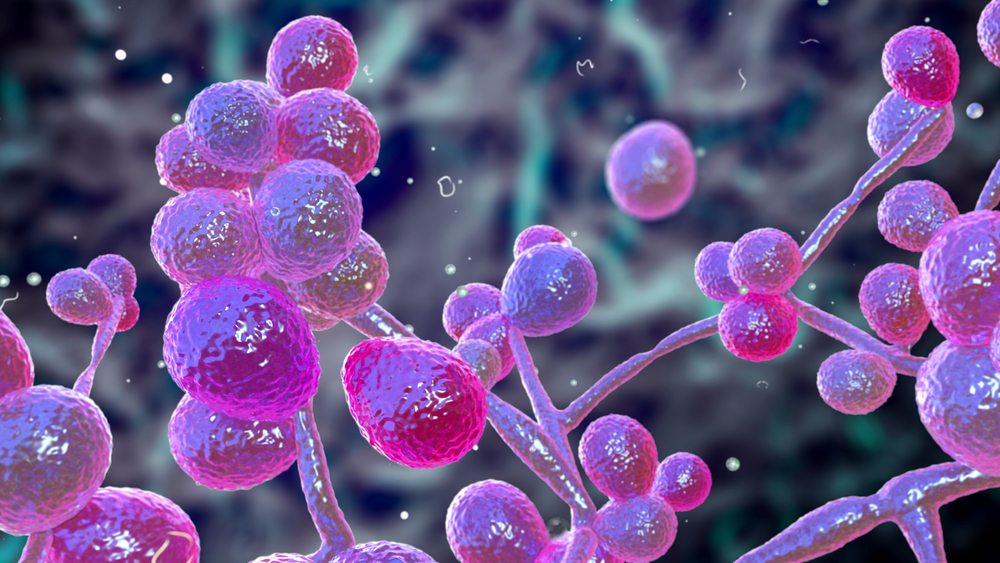
When most people think about antimicrobial resistance (AMR), they picture bacteria, the superbugs that have dominated headlines, policy discussions, and research funding for decades. But quietly, and largely out of public view, a parallel AMR crisis is unfolding in the fungal world. Drug-resistant fungi are spreading, killing millions, and receiving a fraction of the scientific and policy attention the threat demands.
Paul Verweij, professor of clinical mycology at Radboud University Medical Center in the Netherlands and one of the world’s foremost experts on fungal disease, describes what is happening as a “silent surge.” It is an appropriate phrase, as approximately 3.8 million people die each year from fungal infections, a number that has nearly doubled in the past decade, yet antifungal resistance is often not front and center in the AMR conversations that shape global health policy and research investment.
Wide Range of Fungal Infection Severity
Fungal infections span an enormous range of severity. At one end of the spectrum are common, manageable conditions like athlete’s foot, dandruff, toenail infections, and vaginal yeast infections. These conditions affect millions of people annually and are typically treatable with standard antifungal medications. At the other end are life-threatening infections that strike the most vulnerable: people undergoing chemotherapy, organ transplant recipients, patients in intensive care, and anyone with a compromised immune system.
Candida auris, a yeast first identified at a Tokyo hospital in 2009, has since spread to health facilities worldwide, exemplifying the threat it poses. Resistant to multiple classes of antifungal drugs and difficult to eliminate from hospital environments, C. auris kills between 30% and 60% of the people it infects. In low- and middle-income countries, where diagnostic capacity is limited and infection control resources are stretched, patients may die without the cause even being diagnosed.
Why Fungi Are So Difficult to Treat
Part of the reason antifungal resistance has been underestimated is that fungi present uniquely difficult scientific challenges. Unlike bacteria and viruses, fungal cells are structurally similar to human cells. This similarity means that developing drugs capable of killing fungi without damaging the patient is inherently complex. Specifically, the therapeutic window is narrower, and the risk of toxicity is higher. Lessons learned from bacterial AMR do not always translate directly to fungal resistance, which often operates through distinct molecular mechanisms.
Only four major classes of antifungal drugs are currently available — azoles, polyenes, allylamines, and the newer echinocandins — compared with the much broader antibiotic armamentarium for bacteria. As resistance to azoles, the most widely used class, continues to grow, the treatment options for serious fungal infections are narrowing rapidly. According to recent WHO analyses, only three drugs targeting the fungi that pose the greatest threat to human health are in late-stage clinical development.
Agriculture’s Contribution to Antifungal Resistance
One of the most concerning dimensions of antifungal resistance is its agricultural origin. Azole fungicides, chemically related to the azole drugs used to treat human fungal infections, are used extensively to protect crops from fungal disease. Without them, agricultural yield losses could reach 30 to 40 percent. But as environmental fungi develop resistance to agricultural fungicides, they also develop resistance to closely related drugs used in human health. Aspergillus fumigatus, a common mold that can cause severe lung infections in immunocompromised patients, is increasingly resistant to azoles, a pattern linked directly to fungicide exposure in agricultural environments.
This dynamic creates a genuine One Health dilemma, as the same chemical compounds that protect global food security are undermining the antifungal medicines that protect vulnerable patients. Some regulatory action is underway. For instance, the US Environmental Protection Agency has proposed factoring antifungal resistance risks into its assessment of new fungicides, but progress remains slow relative to the scale of the problem.
The Case for Urgent Action
In April 2025, Verweij and 50 co-authors published a call to action in Nature Medicine, urging the explicit incorporation of drug-resistant fungal disease into the 2026 update to the Global Action Plan on Antimicrobial Resistance.
Addressing antifungal resistance will require investment in basic research, the development of new diagnostic tools capable of rapidly identifying resistant strains, expanded clinical trial networks, and cross-sector collaboration that brings agricultural regulators into conversation with public health systems. While none of these efforts are simple undertakings, the global health community can no longer sideline this threat.