disAMR Hosts VIP Performance of Lifeline at Southwark Playhouse Elephant
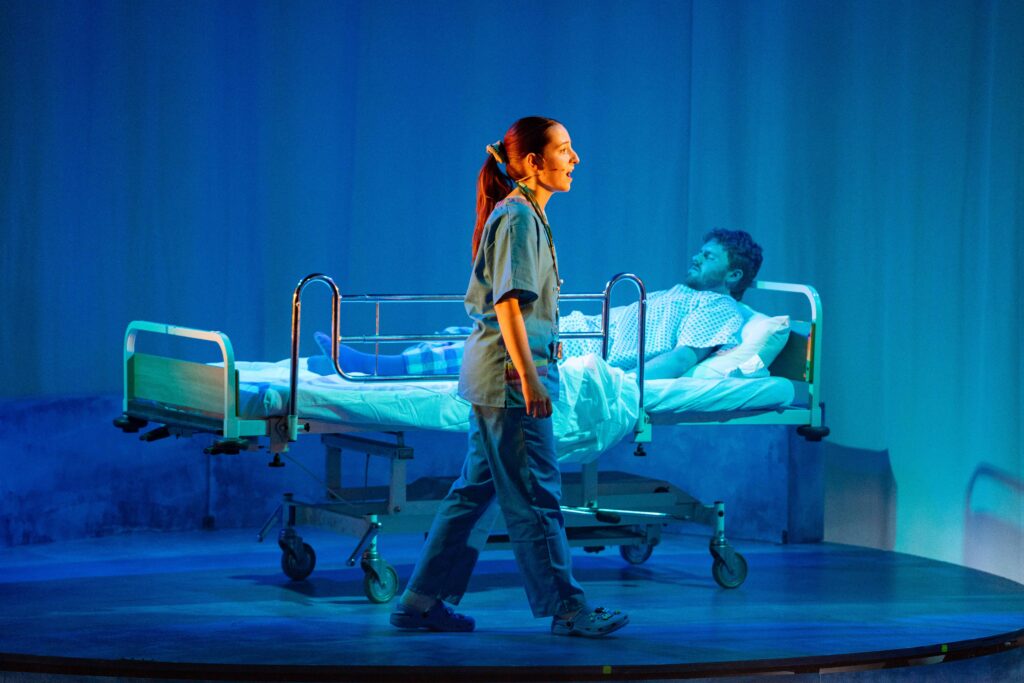
The Southwark Playhouse Elephant in London became the setting for something rare, a moment where science, medicine, policy, and the arts converged around one of the most urgent challenges facing modern medicine. disAMR hosted a VIP performance of Lifeline, the acclaimed musical that has become one of the most powerful and unconventional voices in the global fight against antimicrobial resistance (AMR).
The evening brought together life sciences leaders, policy makers, investors, and advocates, some deeply embedded in the AMR community, others in conversation with disAMR exploring the best ways to contribute, for a performance that combined professional West End theatre with something no conventional production can offer: a chorus of real-life doctors, nurses, scientists, microbiologists, and health workers who at the end of the performance shared their own stories from the frontlines of the resistance crisis.
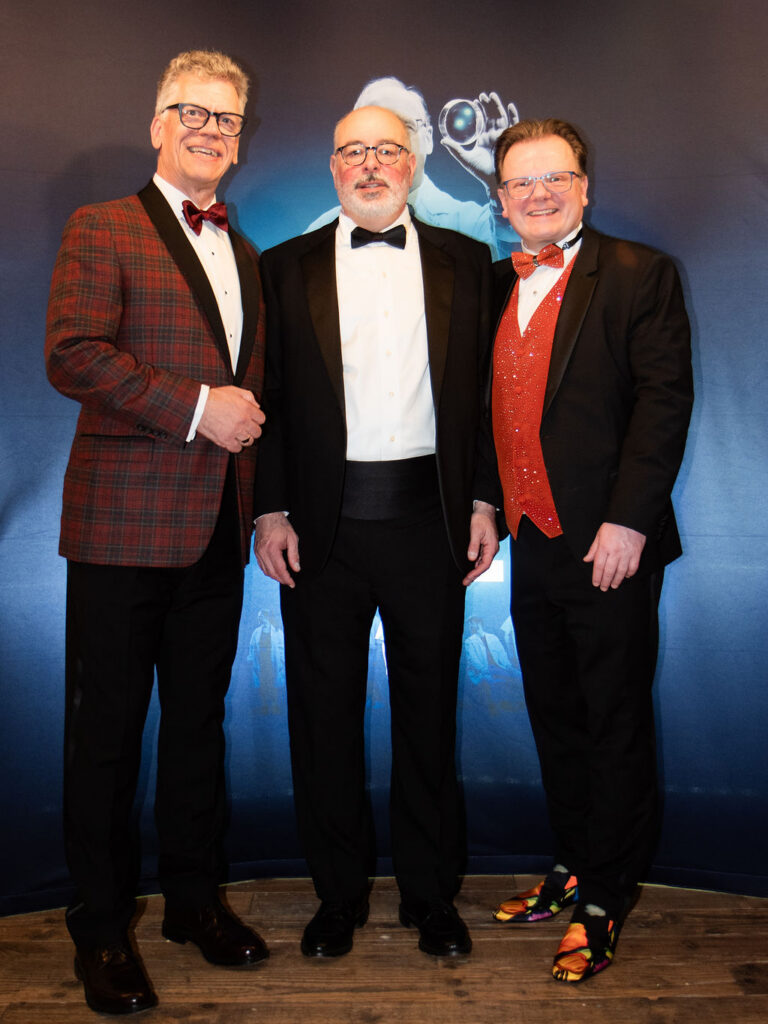
“Lifeline reflects disAMR’s belief that human stories are needed to move people to action, and the importance of making the AMR crisis impossible to look away from because it can affect anyone,” said Mark Bamforth OBE, CEO of disAMR. “This evening was about bringing together the people who are fighting this battle every day and those outside of the traditional AMR ecosystem, reminding and educating why this work matters.”
Lifeline is the work of composer and lyricist Robin Hiley and book writer Becky Hope-Palmer, produced by The Charades Theatre Company. Its origins trace back to 2016, when infectious disease clinician Meghan Perry approached Hiley with an idea: to bring the story of antibiotic resistance to audiences who might never encounter it through a journal article or policy briefing. What began as a children’s play about Alexander Fleming grew, over nearly a decade, into a full-scale musical that has sold out runs at the Edinburgh Fringe Festival, achieved off-Broadway success at New York’s Pershing Square Signature Center, and made history in 2024 as the first musical ever performed on the floor of the United Nations, closing the Global High-Level Meeting on AMR to a standing ovation from diplomats representing nearly 200 countries.
The production weaves together two narratives across time. In 1950, Alexander Fleming, at the height of his fame following the discovery of penicillin, fell in love with Dr. Amalia Koutsouri-Voureka, a member of his research team and a Greek freedom fighter. In present-day Edinburgh, junior doctor Jess faces the unthinkable when her estranged childhood sweetheart is admitted to her hospital with a drug-resistant infection. The two stories mirror each other over seven decades, connecting Fleming’s prophetic Nobel Prize warning about the misuse of antibiotics to the reality he predicted. The result is a score that moves between Scottish folk-infused foot-stomping rhythms and moments of profound emotional weight, serving as a reminder that behind every AMR statistic is a human story.
For disAMR, sponsoring Lifeline is one expression of the organization’s mission. Building on the foundation of AMR Insights, which has served the global AMR community for eight years, disAMR is working to consider the AMR crisis from a different perspective and marshal resources and stakeholders not previously associated with efforts to diminish AMR.
“Annually, AMR is projected to contribute to 10 million deaths by 2050, and the world still doesn’t fully appreciate the scale of what is at stake,” said Richard Snyder, PhD, Chief Scientific Officer of disAMR. “Science alone will not solve this. We need awareness, advocacy, and new thinking. Lifeline is helping by bringing biology, economics, and the human cost of AMR to the forefront.”
The evening began with welcome drinks and the kind of cross-sector conversation that disAMR seeks to enable: researchers alongside investors, clinicians alongside communicators, policy leaders alongside advocates. Following the performance, guests gathered for dessert and continued dialogue.
“What struck me most was the energy in the room after the final curtain,” said Nigel Walker, COO of disAMR. “Lifeline is moving people by reminding us that AMR is not just a scientific or economic problem. It is a human one.”
Through engaging and creative storytelling, Lifeline is bringing new voices and talents to the table to help advance the fight against AMR. Similarly, disAMR’s central focus is to examine the AMR crisis from new perspectives and to bring more resources to the table. If joining us in this effort speaks to you, please contact us.